Part 1: Tips for Tuk – Planning the Drive to Tuktoyaktuk on the Dempster Highway
March 25, 2026
/
Rebecca Casey
.jpg)
.png)
A Tuktoyaktuk road trip isn't something you throw together on a whim.
For many folks, it's a lifelong bucket list trip.
The route is long, remote, and honest in the way only the North can be. Services are sparse. Conditions change quickly. The Dempster Highway doesn't hide much – it rewards preparation and exposes any gaps in your plan.
For Jacqueline and Neil, the journey didn't start with a departure date. It started years earlier as an idea they kept returning to, giving them the time to get it right.
If you're considering the drive, here's a practical framework to help you plan a Dempster Highway road trip to Tuktoyakuk.
1. Start planning earlier than you think
How far in advance should you plan a Tuktoyaktuk trip?
A trip like Tuk isn’t just about the destination. It’s about enjoying the ride. And for a ride that stretches over 4,000 km, that’s something worth thinking through ahead of time.
For Jacqueline and Neil, the idea lived in the background for nearly a decade. Not as active planning, but as something they returned to often, gradually working out what the trip should look like. By the time they were ready to leave, the big decisions had long been made.
You don’t need ten years. But you do need more time than you think.
Starting early gives you space to understand what’s easy to underestimate. Without that space, it’s easy to rush decisions or build a plan that doesn’t match the reality of the drive.
That doesn’t mean planning every detail. It means giving yourself enough time to make the right decisions, and leaving room for the trip to unfold.
2. Break the route into sections
How should you divide the drive to Tuktoyaktuk?
Trying to map the entire Dempster Highway to Tuktoyaktuk drive in one pass is a quick way to stall out. Jacqueline and Neil approached the trip in stages.
- Kimberly → Whitehorse was relatively straightforward. They picked a few priority stops and built the route around them, allowing about a week – including Hyder, Alaska and Boya Lake in Northern BC.
- Whitehorse → Tuktoyaktuk via the Dempster required more intention. They leaned on a friend who had done the trip before to plan distances, ferry timing, and places to stay, setting aside two weeks for this portion, including the return to Whitehorse.
- On the way home, they avoided backtracking where possible, choosing a different route to see more of the landscape, and allowing another week to make their way back.
Think in segments. Each section has its own pace and requirements, and not all of it needs the same level of detail.
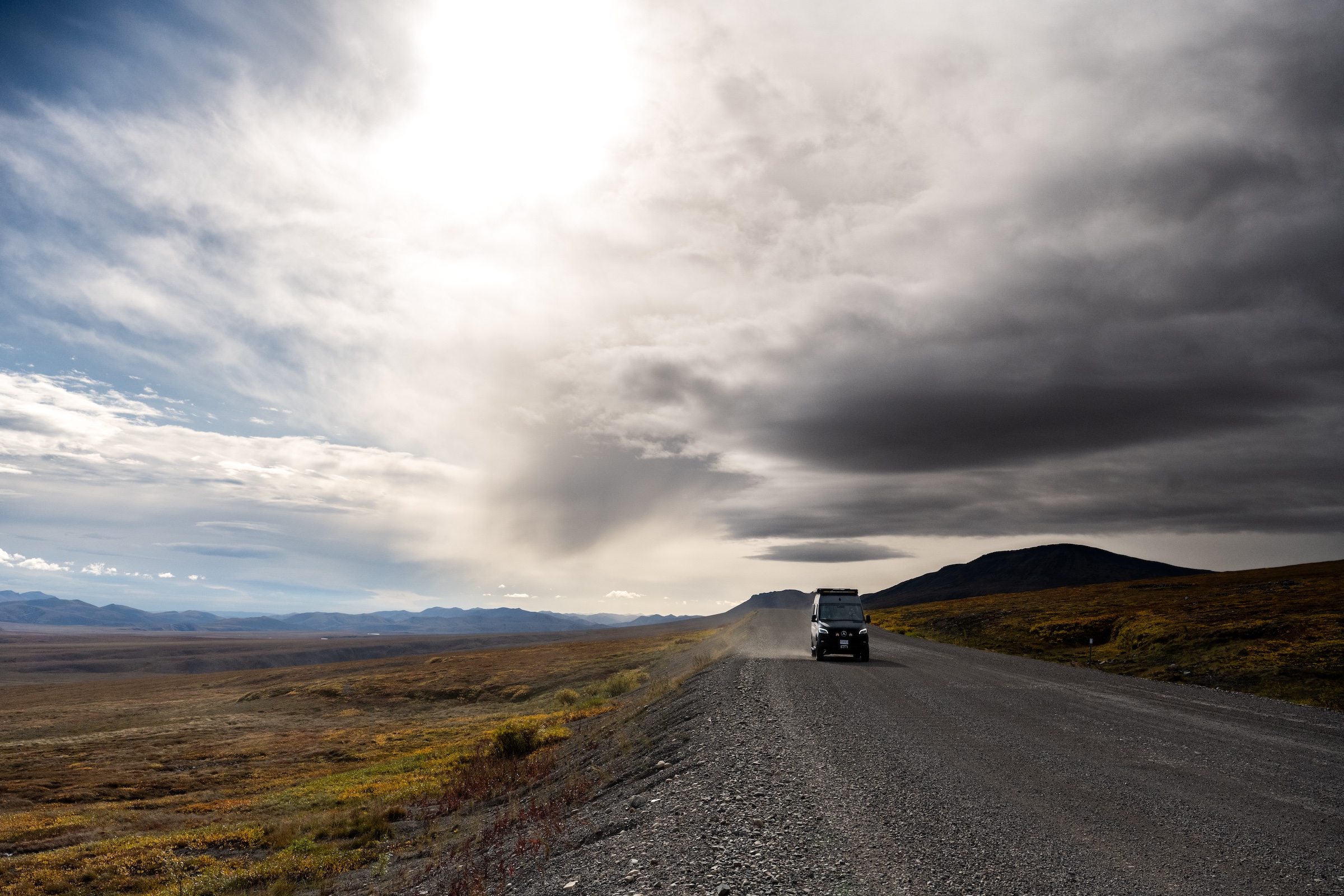
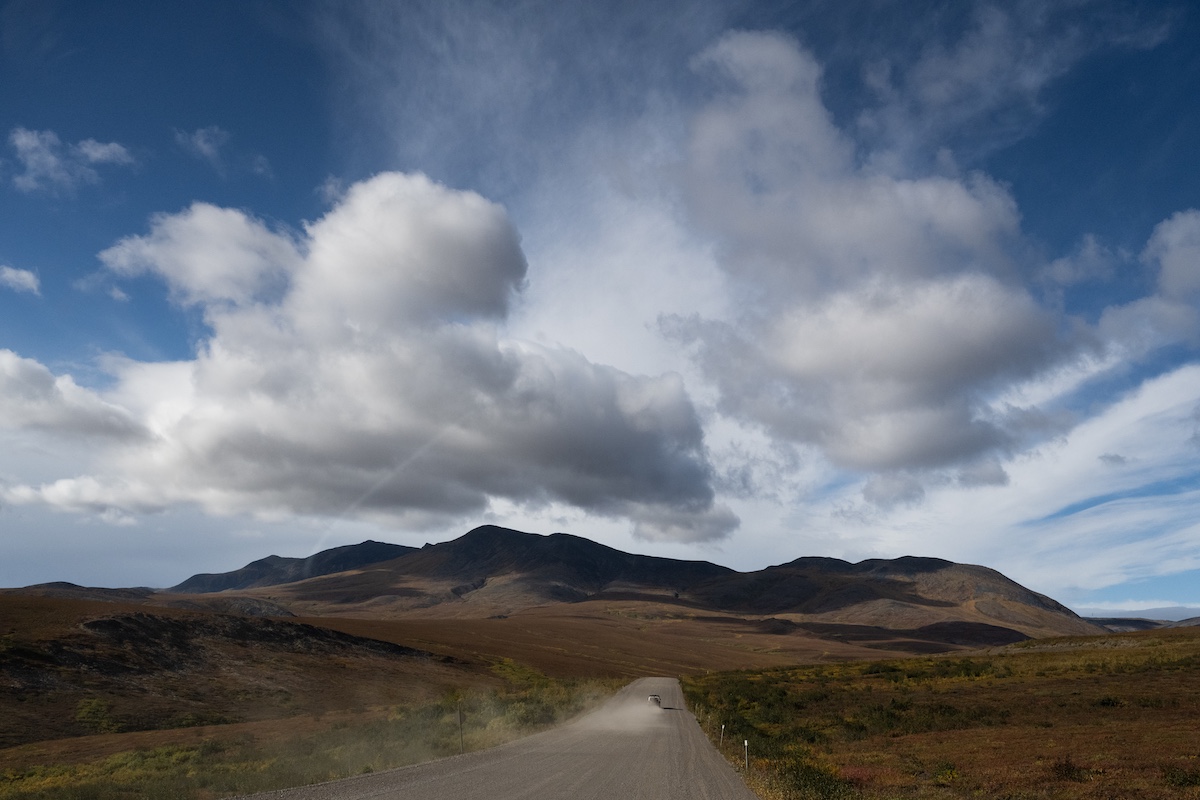
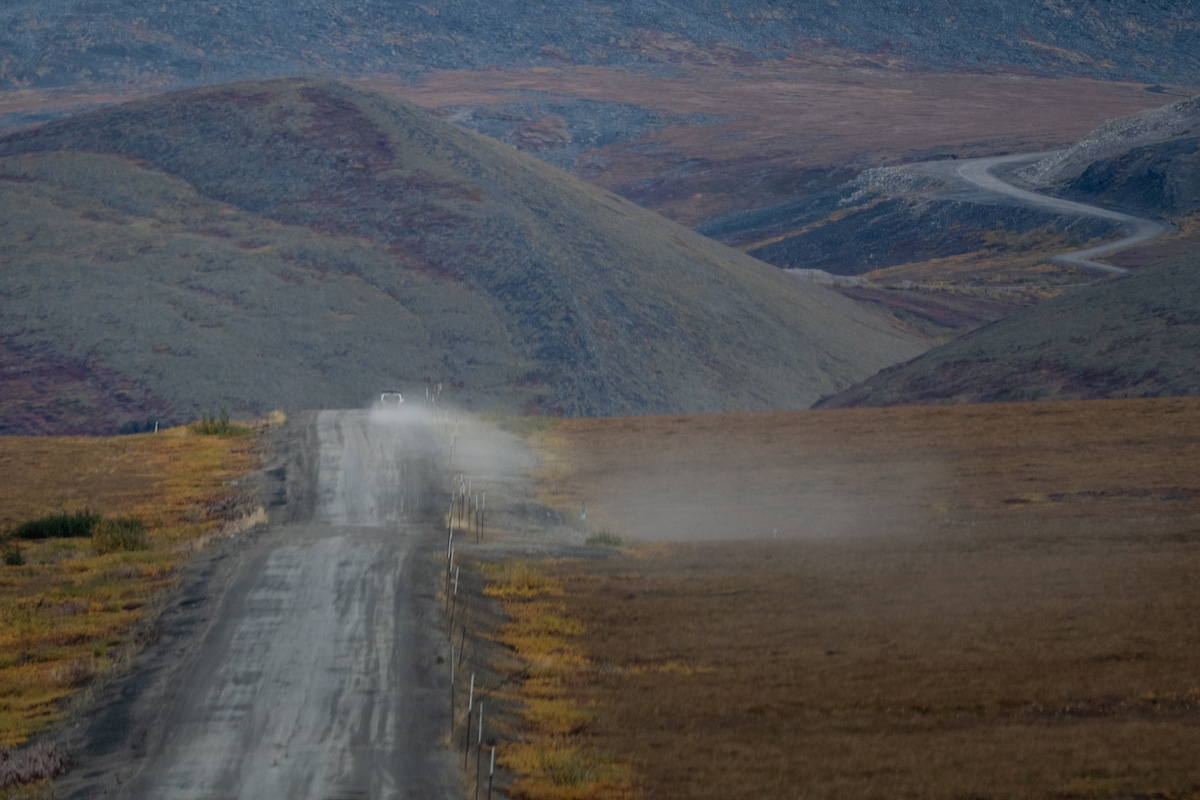
Something to keep in mind: On the Dempster, distances look different. As Jacqueline put it, a 500 km day might sound like nothing – until you’re doing it on gravel at 30 km/h.
3. Choose your timing carefully
When is the best time to drive to Tuktoyaktuk?
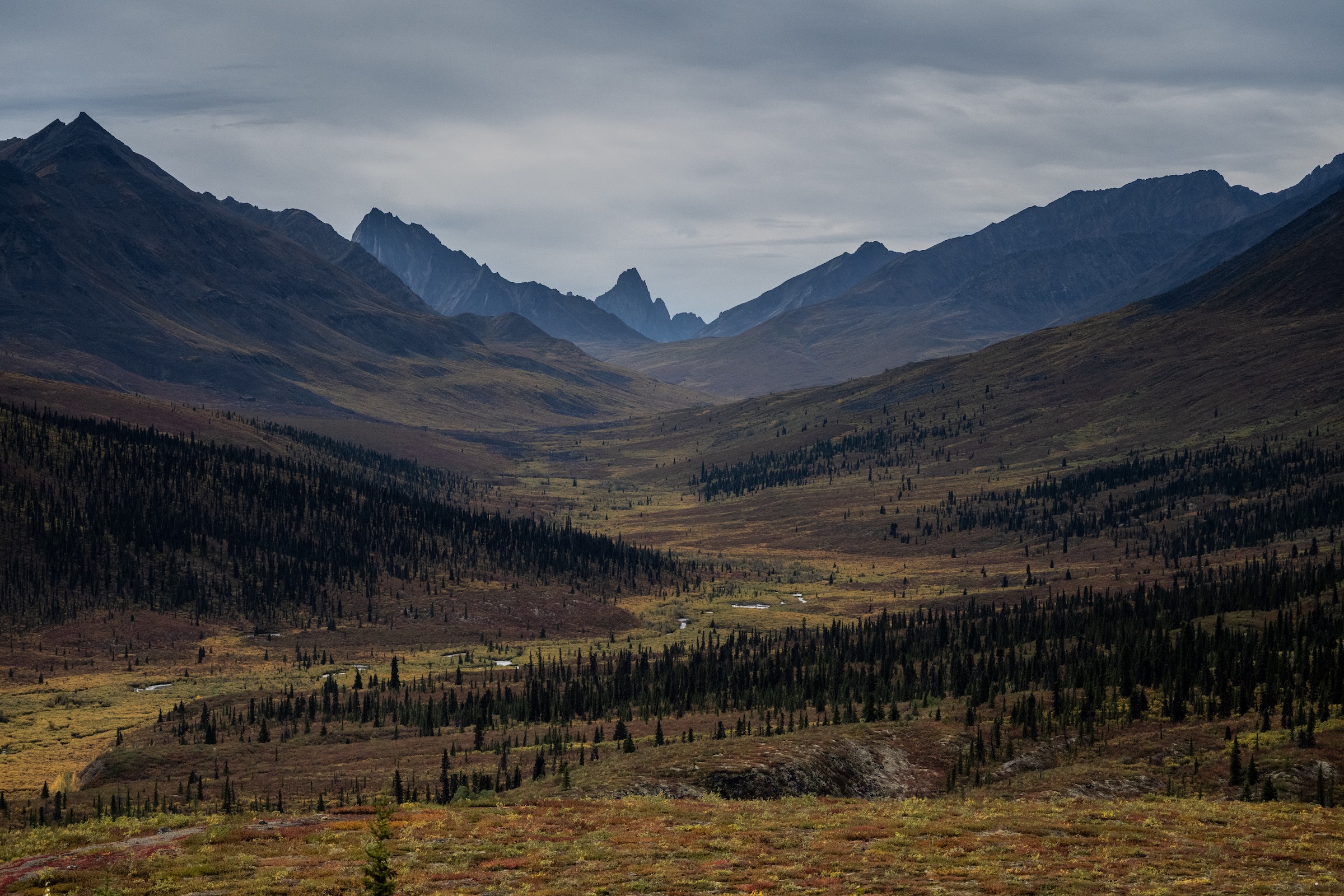
They travelled mid-August to mid-September, aiming for fall colours.
Timing your Tuktoyaktuk trip is a balancing act:
- Summer (June–August): You’re more likely to get better weather, more stable road conditions, and a higher chance of smooth travel.
- Fall (September–October): You’ll get better colours, but colder temps, shorter days, and a higher risk of weather delays.
They aimed for the narrow window in between, and lucked into 30°C and sun nearly every day.
It’s worth noting that while some people do make the journey in winter, it becomes a true Arctic expedition – with harsh conditions suited only for very experienced drivers, the bravest of souls.
When planning your own trip, consider how timing will affect road conditions, ferry operations, daylight hours, and how far you can comfortably push each day. Tuk can feel like a completely different place depending on when you arrive.
4. Book what matters, and leave the rest
Do you need reservations along the Dempster highway?
Flexibility is one of the biggest advantages of a self-contained setup. But even flexibility has its limits.
On this trip, most of the travel could stay loose. But there were a few places where reservations mattered, particularly Kluane National Park and Reserve and Tombstone Territorial Park, where designated camping is required and spots can book up early.
Their approach was simple: book what you need to keep moving, and leave the rest open.
A few strategic reservations created structure without overcommitting. Enough plan to maintain momentum, enough freedom to follow a side road, stop for a hike, or spend more time somewhere you didn’t expect.
5. Choose van features that make the journey easier
What van features and systems help on the Dempster Highway?
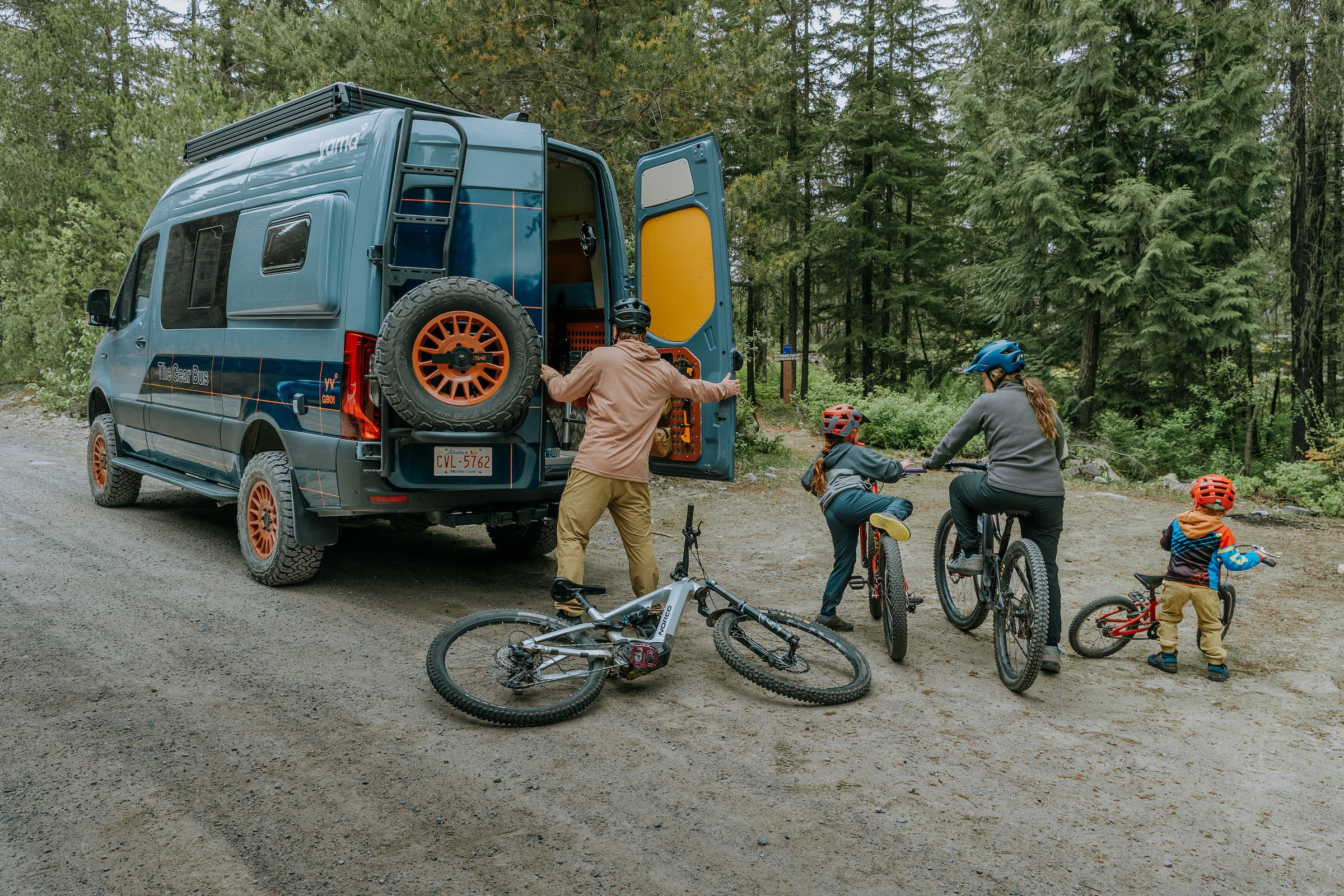
Jacqueline and Neil’s Yama Van was built around how they actually travel – what they use daily, what holds up over time, and what matters most on longer, remote routes.
On a road like the Dempster, that alignment matters. You don’t need a purpose-built rig to reach Tuk, but the route will put more pressure on your vehicle and its systems. The right features don’t add complexity; they reduce friction, increase confidence, and truly help you enjoy the ride.
For them, a few features stood out:
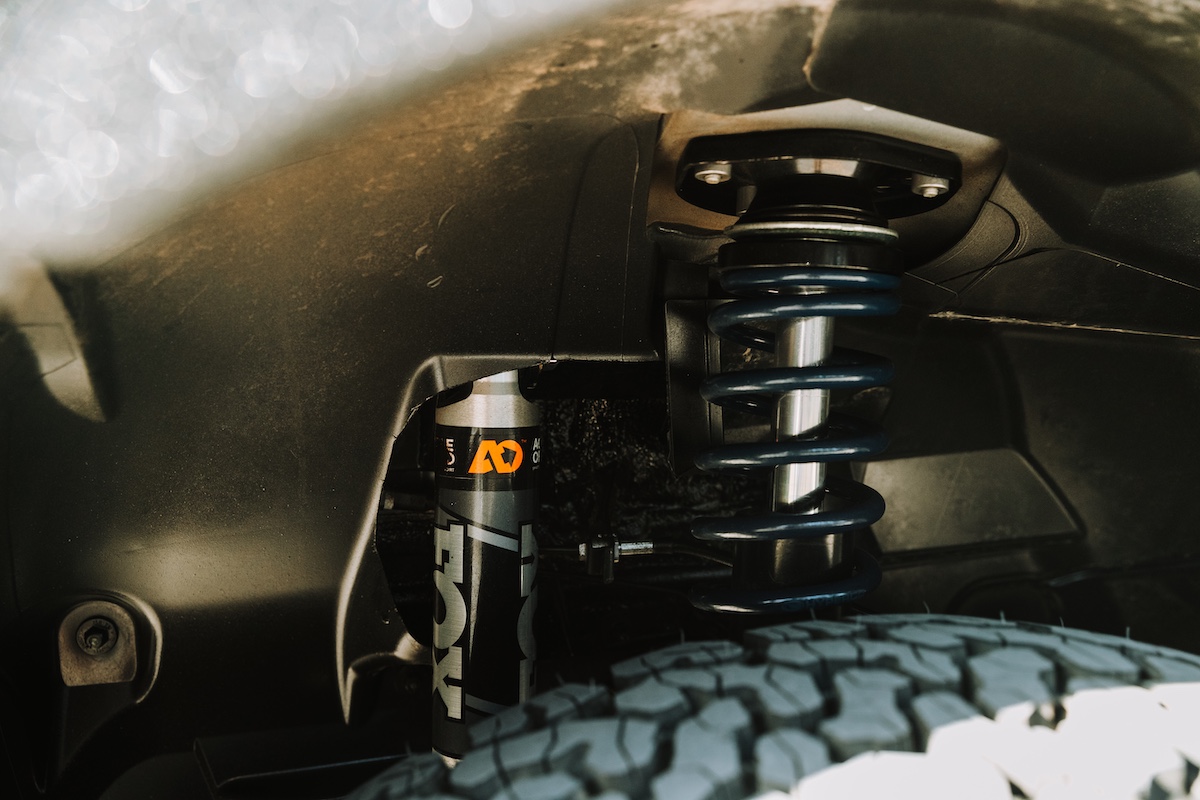
- Agile Offroad Rip Kit
- Agile Offroad X Alcon Big Brake Upgrade
- Method 703 All Terrain Wheels and Tires
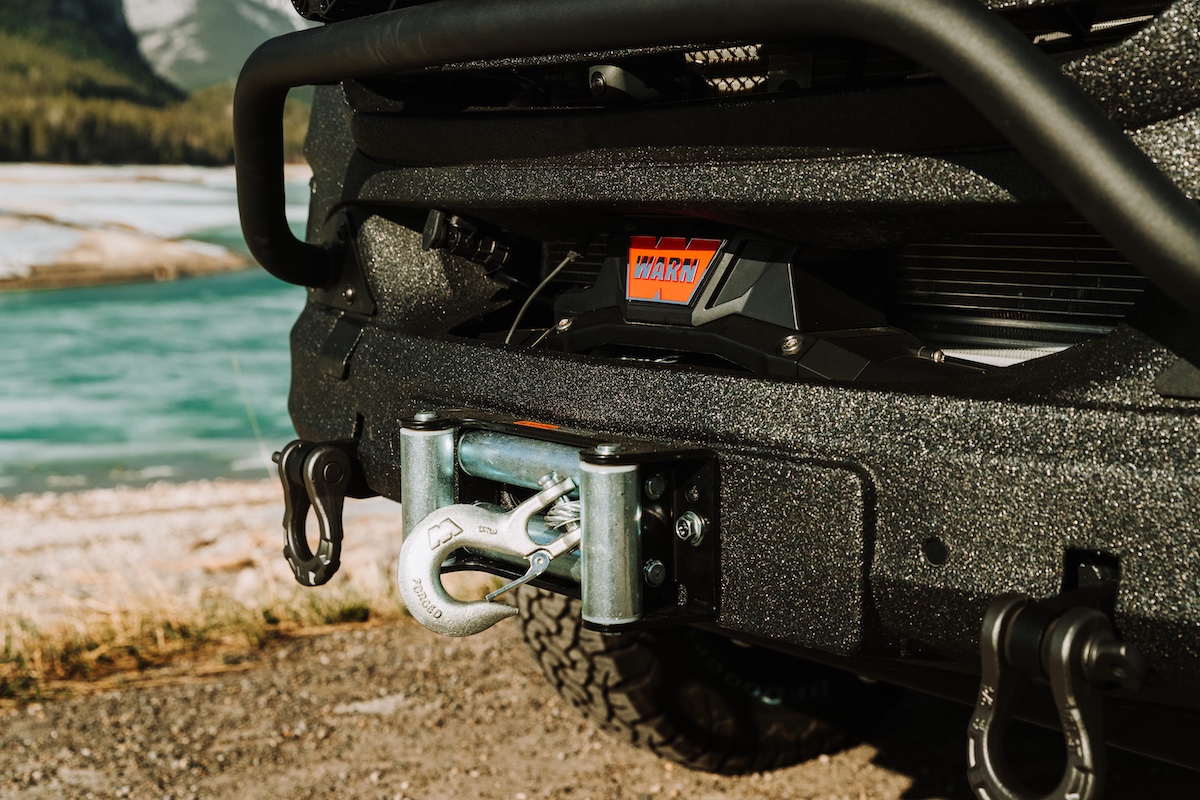
- WARN 10k Winch
- 178L Extended Range Fuel Tank
- Starlink Gen 3
The extended fuel tank made the biggest impact. After mapping distances between fuel stops, they stopped at Bay4 to add capacity before heading north – removing the need to watch the gauge or carry jerry cans, like many others on the route.
.jpg)
6. Pack for variability – and for momentum
what should you pack for a tuktoyaktuk road trip?
Packing for the Dempster Highway is about preparing for variability. Shoulder-season keeps things interesting.
For daily life, they packed simply:
- Practical, repeat-use clothing
- Lots of layers
- Hiking and biking gear
- Backup bedding
They also planned laundry stops to avoid overpacking.
To stay moving on the Dempster, they brought essential gear:
- Recovery equipment
- Spare filters and fluids
- Extra windshield wipers
- DEF and washer fluid
- First aid kid
- Basic repair tools
- Poly and duct tape
- Two full-sized spare tires
They checked in with their Mercedes-Benz service team before leaving – a smart move. If you’re planning a route like Tuk, it’s worth doing the same. Talk to your builder (hello!), mechanic, or dealer about what parts or consumables are most likely to matter. When you’re hundreds of kilometers from help, small problems can escalate quickly.
7. Know your resupply rhythm
How do you plan fuel and resupply on the Dempster highway?
This is where the romance of the North meets reality. A successful drive to Tuktoyaktuk depends on understanding your resupply intervals.
They mapped:
- Fuel stops
- Grocery access
- Water refills
- Laundry points
They knew their longest stretch without a proper grocery resupply would be about three days, which aligned well with their fridge capacity. So they packed accordingly, rather than carrying more than they needed.
Preparation here isn’t about packing as much as you can. It’s about understanding your intervals so you can carry less, with more confidence. When those are clear, everything else gets lighter – both physically, and mentally.
8. Be self-sufficient but expect community
Is the Dempster Highway safe to travel?
The Dempster asks you to be prepared. But it also comes with a quiet sense of community.
Jacqueline noted that the further north they went, the less she worried about “what if.” People on these roads tend to be well-equipped, capable, and willing to help.
It’s a useful mindset for a trip like this: prepare thoroughly, but understand that northern travel often comes with a practical culture of people looking out for one another. If you see someone in need, be ready to stop and help.
9. Don't forget to just be there
How do you balance documenting and experiencing the trip?
One surprise: how little they documented, especially considering Jacqueline is usually the one behind the camera, capturing everything.
They still captured some incredible moments, but far fewer than expected. More often than not, they didn’t want to interrupt what was happening to frame it. They just wanted to be there.
And the thing is, you’ll have the memory either way.
The photos are nice. But being there, fully in it, tends to stick longer. The moments you don’t interrupt are often the ones you remember best.
So take a few photos. Then put the camera down.
What makes a successful Dempster Highway trip?
When asked what went wrong, Jacqueline didn’t have much to point to, aside from a small rock chip in their windshield within minutes of turning onto the Dempster. Luckily they had duct tape on hand to keep it from spreading.
Beyond that, not much went wrong. Not because the route is easy, but because they were ready for it.
Their plan, their van, and their packing aligned. They could pivot when they wanted to, not because they had to.
That’s what good preparation buys you: confidence.
And when confidence is built in, it leaves room for the only thing that really matters up there –
Enjoying the ride.
Curious how it all came together once they hit the road? We’ll share the full story in the next post.
.jpeg)
Rebecca Casey
Marketing & Events Specialist at Yama Vans


.png)